Coping, paving and pool surrounds that last in Australian sun
The band around the water takes salt, bare feet and forty-degree afternoons. Choose stone and falls as if the garden will still be here in twenty years.
Custom Pools editorial team · 30 January 2026 · Updated 14 February 2026 · 17 min read
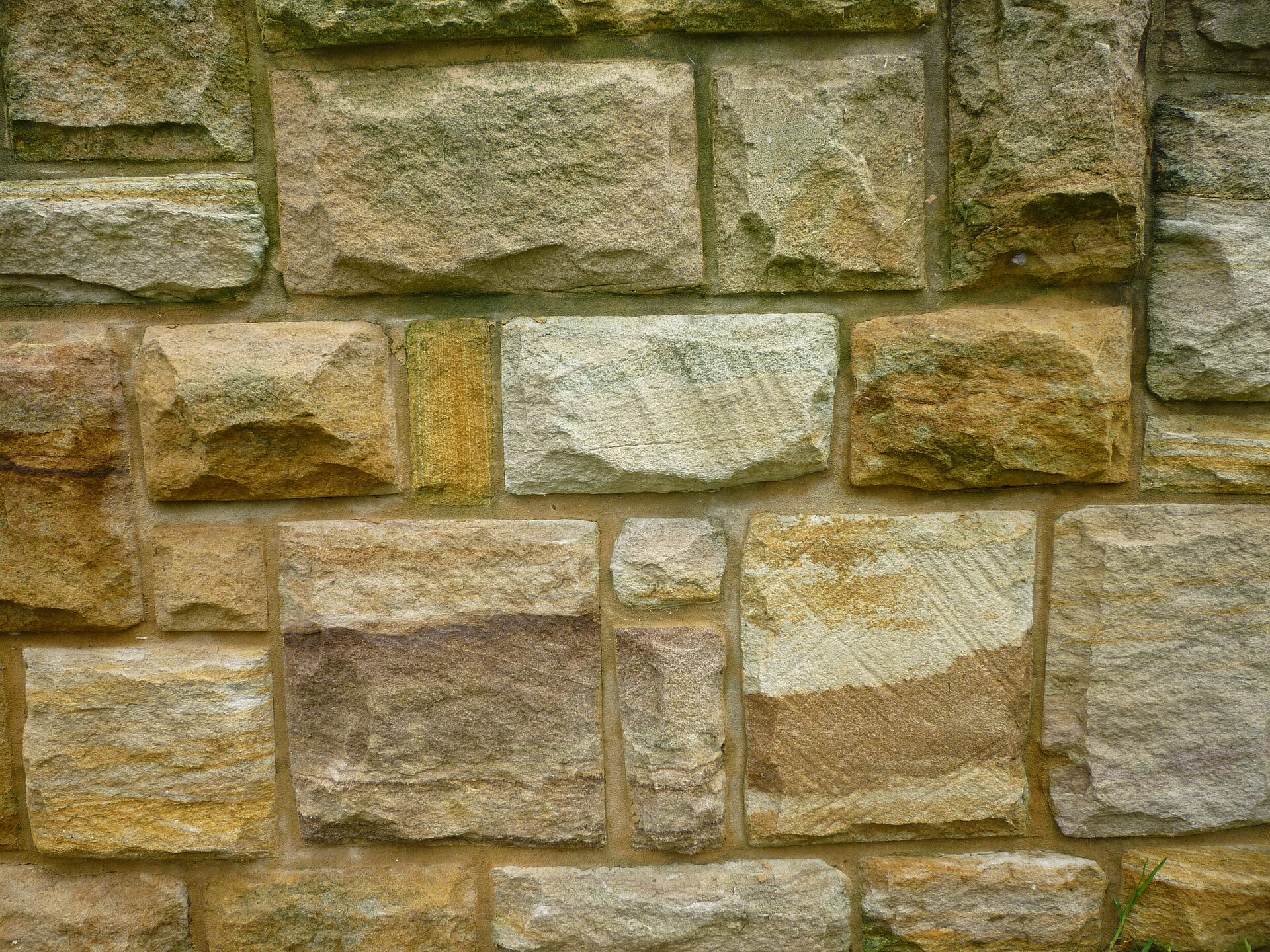
Photo: J Bar / Wikimedia Commons, CC BY-SA 4.0 · See the image credits page.
Coping is the last line of the pool and the first line of the garden. It takes wet feet, salt haze and the January afternoon that makes a dark slab too hot to stand on. Australian sun is a materials problem. Choose the band around the water as if you will still be walking it in twenty years.
The mistake is to pick a stone from a kitchen photograph and ask the landscaper to “just pave out to the fence”. Coping, paving, movement joints and falls are one system. They have to live with the barrier, the planting and the house floor. Start with the walk from the kitchen to the water, and with where the sun is at 3pm in February.
Travertine
Travertine is the suburban default for a reason. It is pale enough to stay usable, it cuts into a bullnose that looks like a pool, and it is widely stocked. Filled and honed, it reads as a calm, almost European deck. Unfilled and tumbled, it looks more rustic and holds more dirt.
It is a calcium carbonate stone. Under-saturated pool water, acid washing and salt splash will etch the face. If you choose travertine, pick a consistent grade, seal it on a cycle you will keep, and do not “brighten it up” with a strong acid once a season. On the coast it weathers faster than on a sheltered inland court; read coastal durability before you order a truckload.
Sandstone
Sydney sandstone — and the sandstones that stand in for it elsewhere — can tie a new pool to an older house in a way porcelain never will. It also varies wildly. Some beds are dense; some are soft, striped and destined to spall once wet–dry cycling gets into the bedding.
Specify the bed, not the romance. Ask for a sample that has sat outside. Sandstone darkens when wet, can grow in shade, and wants joints that can move. A high-pressure cleaner will open it faster than use will. A sandstone coping on a dark interior can look inevitable; a busy banded stone against a busy pebble looks like two showrooms collided.
Granite and other hard stones
Granite, some bluestones and a short list of dense volcanics earn their keep where salt, frost or heavy use would punish a softer stone. A flamed or bush-hammered face stays trustworthy under a wet foot. Dark granite in a western Adelaide or western Sydney court will store sun and give it back to the sole. Light greys behave better. Honed dark granite looks like a hotel and behaves like a frypan — put that look on a wall, not on the lunchtime path. Hard stones need a proper bullnose and support; this is a stonemason’s job, not a leftover from the kitchen.
Porcelain
Porcelain pavers have taken a large share of new Australian decks because they are stable, low-porosity, and can mimic stone without the etch. A good outdoor porcelain with a proper slip rating is rational on a salt pool or a household that will not seal stone.
The failures are familiar. A marble print that works at arm’s length looks like a laminate at ten metres. Large-format tiles on a moving deck will lip if the joints are lazy. Polished porcelain around water is a slip waiting for a guest. Specify a textured outdoor face and a tiler who has paved a pool deck. Porcelain does not make the falls optional; it only refuses to stain while it sits in the puddle.
Concrete, including exposed aggregate
In-situ concrete and good concrete pavers remain the honest finish where the architecture is already a slab language. An exposed-aggregate apron can match a pebble interior without pretending to be imported stone. A dark oxide slab can look severe and will be hot.
Concrete wants control joints you have drawn, and a mix that suits the climate — a Darwin pour is not a Hobart pour. Sealers alter stain resistance and slip; test a panel. Do not hide leftover driveway mix around the pool. The salt splash and the barefoot test are different.
Salt etch, cleaners and the waterline
Whatever the stone, the waterline is where chemistry meets air. Splash, evaporation and a slightly aggressive salt system will mark coping noses. Soft calcium stones etch; some metals stain; some sealers bloom. Keep saturation in a civil range and keep acid off the coping. If a cleaner needs a strong product to lift a tide mark, the interior waterline tiles are doing too little work — that is a waterline detail, not a paving failure.
On the coast, salt sits on everything. Rinse is not a lifestyle slogan; it is how stainless, stone and glass last. Specify materials that can take that life, or accept a shorter cycle.
Barefoot heat and colour
Colour is comfort. Light and mid tones stay in the range a child will walk on after lunch. Dark tones look architectural at 9am and empty the deck at 2pm. In Broome, western Sydney or a north-facing Adelaide court, this is not a taste argument. A lightly textured face and a western tree or pergola will do more for January use than a paler grout. That is a landscape decision made with the stone order. If you insist on dark paving, keep it off the standing zone or put it under a roof.
Movement joints and the shell
The shell moves, and so does the house slab. Clay in Melbourne’s west, sand in Perth and a dry summer after a wet spring will all show up in a rigid deck laid as one proud field. Movement joints are how the paving avoids tearing the coping off the beam. Joint the paving into sensible bays, and do not run a tile over the construction joint at the shell. A silicone that has gone hard is a maintenance item, not a reason to blame the stone.
On a wet-edge or infinity detail the coping is doing hydraulic work. That is a specialist edge, not a bullnose with a thinner joint. Read the wet-edge essay before you let a landscaper “keep it simple”.
Falls, wet decks and water that has to leave
Ordinary surrounds should fall away from the shell, toward a drain, a garden slot, or a strip that can take the volume of a storm and a lot of dripping bodies. Water that ponds against the coping finds the joint. Water that sheets toward the house finds the sliding-door track.
A wet deck — paving that is meant to run into the pool or into a grated channel as part of the look — is a different system. It needs a designed fall, a designed channel, and a plant room that can cope with the extra debris. It also changes how the barrier and the house openings work, because the “pool” has grown to the edge of the paving. Do not invent a wet deck on site because someone liked a photograph from Bali.
Set the finished levels against the house floor early. A beautiful stone that sits fifty millimetres too high against a door is a trip and a waterproofing problem. The survey and the brief should have already named the finished floor; the paving drawing must honour it.
The band is part of the room
Coping and paving are where the pool stops being a tank and becomes a place to sit. Match them to the interior and to the garden, specify slip and heat as performance, and draw the joints and falls as carefully as the waterline. Then plant and fence as if the stone will still be there when the first trees mature. The rest of the materials conversation — interiors, mosaics, light — sits on this edge. If the edge fails, the pretty water is a hole you walk around.
Photo: J Bar / Wikimedia Commons, CC BY-SA 4.0
Questions readers ask
- Is travertine too soft for a salt pool?
- Travertine is a calcium stone. Salt, acid cleaning and a sloppy waterline will etch it. It still works on thousands of Australian decks if you choose a decent grade, keep chemistry stable, and accept that it will weather. If you want a stone that shrugs off salt spray, look at granite or a dense porcelain and spend the saved maintenance on something else.
- How do I keep paving cool enough to walk on in January?
- Favour light and mid tones, a textured rather than honed face, and shade on the western strip. Dark basalt and dark porcelain look handsome at 9am and punish bare feet after lunch. A pergola or a tree with a clean canopy does more for comfort than a spray bottle by the back door.
- Which way should the paving fall?
- Away from the shell, toward drainage that you have actually designed. Water that sits against the coping finds the joint, then the beam, then an argument with the tiler. A wet deck that is meant to sheet into the pool is a different system and must be detailed as one, not as ordinary paving with a flatter fall.
Found an error? Use the contact form or read how we handle corrections in editorial standards.